
"quinic acid"
300 article(s) found

Coffee beans are ranked in terms of acidity | what are the coffee with high acidity?
Professional coffee knowledge exchange more coffee bean information Please pay attention to the coffee workshop (Wechat official account cafe_style) coffee acid is good, good acid is clear, natural, sweet fruit acid; bad acid is sharp, irritating acid. For example, a cup of fresh lemonade tastes natural and sweet, but not many people like a cup of strong aged vinegar. This proves

The main components and aroma sources of coffee beans how many kinds of aroma of coffee and how to describe it?
Professional coffee knowledge exchange more coffee bean information Please pay attention to the meaning of wet and dry aroma of coffee in coffee workshop (Wechat official account cafe_style) Seven factors affecting the flavor and aroma of coffee raw beans 1. During baking, part of the sucrose, the main ingredient, will be decomposed into acetic acid, formic acid, glycolic acid and lactic acid, while the other part of the sucrose will undergo caramelization.

How does the coffee taste come from? is the coffee bitter or sour?
Professional coffee knowledge exchange more coffee bean information please follow the coffee workshop (Wechat official account cafe_style) Why some coffee has the sour taste of plums? Some even smell like fruit vinegar. Why do some beans look so shiny? Is it because it has been kept for a long time? Why does some coffee taste so bitter? And caffeine. . . . Isn't it?

What are the ingredients of coffee? The caffeine content of coffee beans caffeine in coffee
Professional coffee knowledge exchange more coffee bean information please follow the coffee workshop (Wechat official account cafe_style) Why some coffee has the sour taste of plums? Some even smell like fruit vinegar. Why do some beans look so shiny? Is it because it has been kept for a long time? Why does some coffee taste so bitter? And caffeine. . . . Isn't it?
Variety Classification and Medicinal value of Coffee Tree
Variety classification Arabica bean coffee tree can be divided into two main varieties: Arabica species (Coffea Arabica) and Robusta species (Coffea Robusta/Coffea Canephora). There are also some minor species, such as the Liberian species (Coffea Liberica) and the Alabasta species (Coffea Arabusta), but they are rare on the market. Rob.
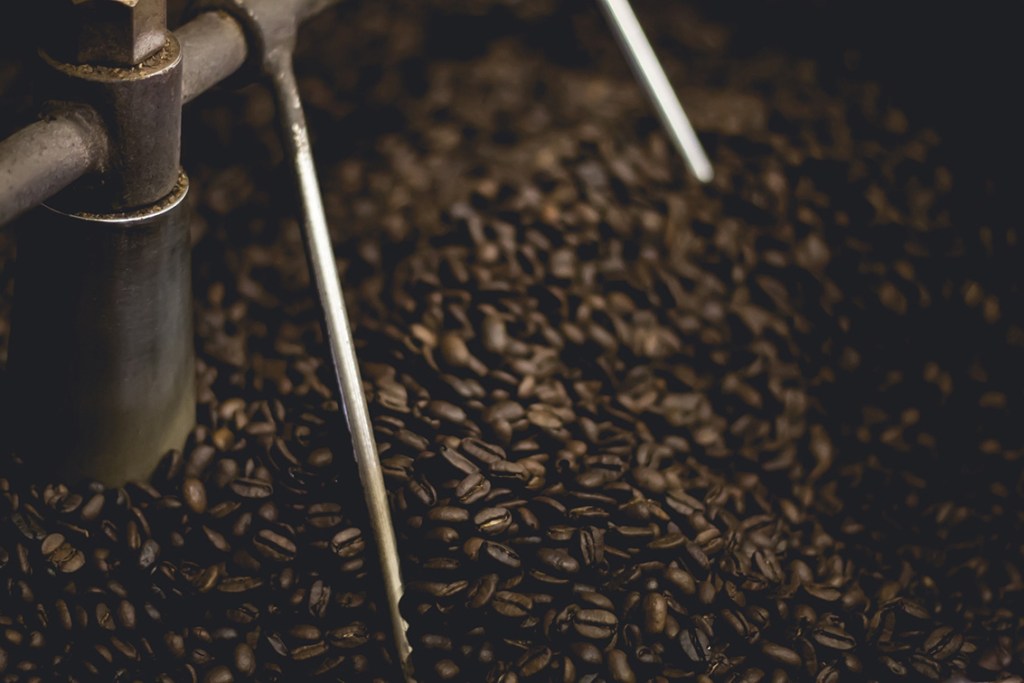
Where does coffee come from sour, bitter, sweet and sweet? Understand the composition of coffee and coffee roasting
For professional baristas, please follow the coffee workshop (official Wechat account cafe_style). Why do some coffees taste sour like plums? Some even smell like fruit vinegar. Why do some beans look so shiny? Is it because it has been kept for a long time? Why do some coffees taste bitter? And caffeine. . . . Is it caffeine the longer the coffee is roasted?

Where does the sour, bitter, sweet and sweet in the single coffee come from? Why does single coffee taste sour?
Professional coffee knowledge exchange more coffee bean information Please follow the coffee workshop (Wechat official account cafe_style) individual coffee where does the sour, bitter, sweet and sweet come from? Why does individual coffee taste sour? Our common brown coffee beans, with a little aroma, are ripe beans of coffee, which have been roasted. Unbaked coffee is called raw beans or mung beans (green)
What is the fragrance of coffee beans? why the aroma of coffee beans comes from inexplicable chemical reactions.
Professional coffee knowledge exchange more coffee bean information please follow the coffee workshop (Wechat official account cafe_style) front street-coffee aroma source introduction aroma, flavor, aftertaste, acidity and alcohol thickness these five attributes are collided by different compounds. On the cup table, we use our senses to analyze the taste and aroma, which are also caused by chemical compounds. Let's smell dried incense first.

How to make coffee drink bitterness? The latest study finds that the source of astringency is not tannin.
How to make coffee drink bitterness? A new study finds that the source of astringency is not tannin. A new study shows that the astringency in coffee is mainly caused by quinic acid and gluconic acid in coffee, not tannic acid. The chlorogenic acid in coffee is degraded into dicaffeoquinic acid by baking, which condenses the lubricating protein of saliva and produces a wrinkled astringency in the epithelial tissue. Although dicaffeoylquinic acid
How does the aroma of coffee beans come from? what kind of substances does the aroma of coffee come from?
Professional coffee knowledge exchange more coffee bean information please follow the coffee workshop (Wechat official account cafe_style) Front Street-Coffee bean flavor substances non-volatile substances in coffee include: alkaloids (caffeine and trigonelline), chlorogenic acid, carboxylic acid, carbohydrates and polysaccharides, lipids, proteins, melanoids and minerals. Caffeine: it is soluble in water and will shadow.
The basic chemical reaction of coffee knowledge during coffee roasting.
Many thermal and chemical reactions take place during baking: decarbonation, dehydration of quinic acid, subdivision, isomerization, polymerization, and complex sugar reactions (caramelization). The main components of the thermal reaction are monosaccharides and sucrose, chlorogenic acid, free amino acids, and fenugreek amide. Both aravinose and calactose in the polysaccharides are transferred, and the basic vulcanization process includes hydroxylamine.

Why is coffee sour? What's in the coffee? What is chlorogenic acid?
Professional coffee knowledge exchange More coffee bean information Please pay attention to coffee workshop (Weixin Official Accounts cafe_style) Chlorogenic acid is an antioxidant Antioxidant effects, which reduce cell damage from free radicals, are thought to be associated with chronic disease or cancer prevention. The chlorogenic acid content varied with the degree of baking, with light baking being the highest, medium baking the second, and heavy baking the third

[caffeic acid] what acid is in coffee?
Professional baristas Please pay attention to Coffee Workshop (Wechat official account cafe_style) Coffee contains a variety of acids, most of which can be found in agricultural products: * Amino acids such as asparagic acid, glutamic acid and leucine; higher than normal amino acid concentrations will produce sweetness. * carbolic acids such as caffeic acid, chlorogenic acid and quinic acid; the concentration of carbolic acid is higher than normal

Introduction to coffee roasting training-basic chemical reactions in the coffee roasting process
Professional coffee knowledge exchange more coffee bean information please follow the coffee workshop (Wechat official account cafe_style) Coffee roasting skills Collection | the purpose of coffee roasting and the characteristics of coffee beans except in the home-barista.com forum, the word MET is rarely seen. MET is not a number, but the most time segment in the whole baking process.
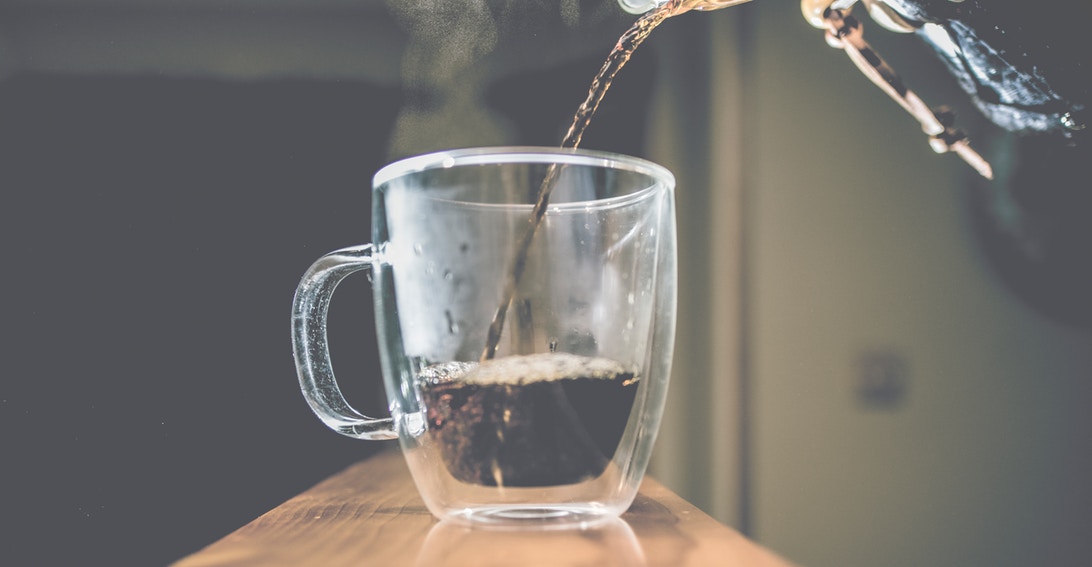
How do you analyze coffee's chemical composition to predict flavor, aroma and quality?
Professional coffee knowledge exchange More coffee bean information Please pay attention to the coffee workshop (Weixin Official Accounts cafe_style) There are many factors that affect the flavor of coffee: variety, roasting degree, brewing formula, processing method, etc., but when you look deeper, you will find that flavor depends on only one thing: the composition of compounds. Coffee roasting method, coffee variety, species

The chemical composition of coffee
Coffee is a complex mixture of potential "neutriceuticals". The chemical composition of coffee is determined by a number of factors: agriculture, roasting, blending, and brewing. The main elements of coffee have been known for more than half a century.

Why is your coffee bitter and astringent? It must have been opened in the wrong way!
Professional coffee knowledge exchange more coffee bean information Please pay attention to the coffee workshop (Wechat official account cafe_style) bitterness has always been an unpleasant term in boutique coffee, good coffee should be sweet and delicious, taste well-balanced, maybe a little sour, and make the coffee taste good without sugar. Think about it, but if you expect a cup of coffee every morning
The basic chemical reaction that takes place during coffee roasting.
Basic chemical reactions that occur during coffee roasting author: Carl Staub originates from the SCAA baking color classification system, developed by Agtron SCAA 1995 original text from: http://www.sweetmarias.com/roast.carlstaub.html translation: Grant, http://www.baristacn.com/forum/thread-1583-1-1.html in the roasting process

What's wrong with my caffeic acid? why does coffee turn sour? what is good coffee?
Professional barista communication Please pay attention to coffee workshop (Wechat official account cafe_style) Coffee contains all kinds of acids, most of which can be found in agricultural products: amino acids such as asparagic acid, glutamic acid and leucine; the concentration of amino acids exceeds the normal value, it will produce sweetness. Carbolic acid such as caffeic acid, chlorogenic acid and quinic acid; the concentration of carbolic acid is higher than normal.
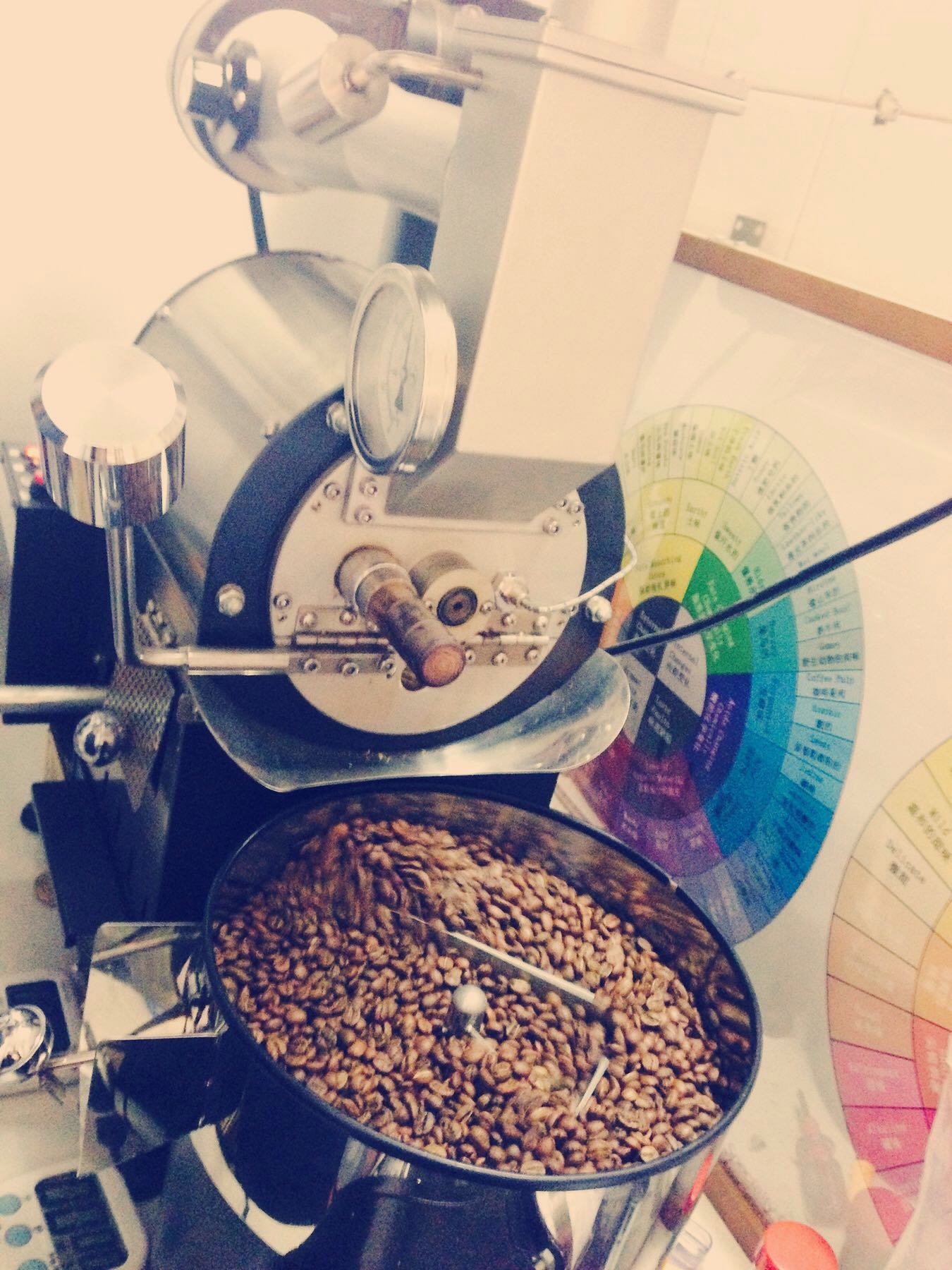
Key points of coffee roasting techniques: basic chemical reactions that take place during coffee roasting
Basic chemical reactions that occur during coffee roasting author: Carl Staub originates from the SCAA baking color classification system, developed by Agtron SCAA 1995 original text from: http://www.sweetmarias.com/roast.carlstaub.html translation: Grant, http://www.baristacn.com/forum/thread-1583-1-1.html in the roasting process